Taxes are one of the biggest expenses for freelancers. But with the right strategies, you can legally reduce your tax bill and keep more of your hard‑earned money. In this guide, I'll share practical tax‑saving strategies that work for freelancers in many countries – from the US and UK to Canada and Australia.
1. Maximise Your Deductions
Deductions reduce your taxable income. Here are some of the most common (and often overlooked) deductions for freelancers:
- Home office – If you work from home, you can deduct a portion of your rent, mortgage interest, utilities, and internet. The simplified method (US) allows $5 per square foot (up to 300 sq ft).
- Equipment and supplies – Laptops, monitors, software subscriptions, office furniture, and even stationery.
- Professional development – Online courses, books, conferences, and workshops that improve your skills.
- Business travel – Flights, hotels, meals (50% deductible in many countries), and local transport for client meetings.
- Insurance – Health insurance premiums (often deductible for self‑employed), professional liability insurance, and equipment insurance.
- Bank fees and payment processing fees – PayPal, Stripe, and currency conversion fees.
Tip: Keep digital copies of all receipts. Use a tool like Expensify or the Google Sheets template we shared earlier.
2. Time Your Expenses Strategically
If you use cash‑basis accounting (most freelancers do), you can time your expenses to lower your tax burden:
- Accelerate deductions – If you expect a higher income this year, bring forward expenses (e.g., buy equipment before year‑end).
- Defer income – If you expect a lower income next year, delay sending invoices until January.
- Check your country's rules – Some countries allow you to claim expenses as soon as you pay them, others when you receive the invoice.
3. Contribute to Retirement Plans
Contributions to retirement plans are often tax‑deductible. Popular options for freelancers:
- USA: SEP IRA (up to 25% of net earnings, max $69,000 in 2026), Solo 401(k) (up to $73,500, including employer contributions).
- UK: SIPP (Self-Invested Personal Pension) – contributions are tax‑relieved at your marginal rate.
- Canada: RRSP (Registered Retirement Savings Plan) – contributions reduce taxable income.
- Australia: Superannuation – voluntary contributions can be tax‑deductible.
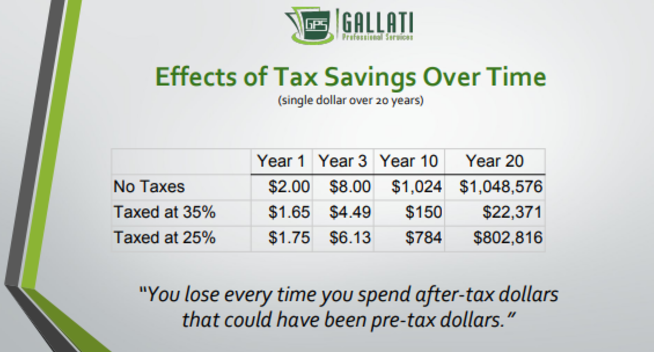
Tip: Even small monthly contributions add up over time and reduce your current tax bill.
4. Separate Business and Personal Finances
Use a dedicated business bank account and credit card. This makes it easier to track expenses and proves to tax authorities that your business is legitimate. Plus, it simplifies your bookkeeping.
5. Hire a Professional (or Use Good Software)
Tax laws are complex and change frequently. A good accountant can save you more than their fee by finding deductions you didn't know about. Alternatively, use tax software specifically designed for freelancers:
- USA: TurboTax Self‑Employed, H&R Block Self‑Employed, or TaxAct.
- UK: QuickBooks Self‑Employed (UK version), or use a local accountant.
- Canada: SimpleTax (now WealthSimple Tax), TurboTax Canada.
6. Understand Your Tax Obligations
Freelancers often have to file taxes quarterly (estimated tax payments) or annually, depending on the country. Missing deadlines can result in penalties. Use a calendar to remind yourself of important dates:
- USA: Estimated tax deadlines: April 15, June 15, September 15, January 15.
- UK: Self‑assessment deadline: January 31 for online filing.
- Canada: Personal tax deadline: April 30.
- Australia: Tax return deadline: October 31 (or later if using a tax agent).
7. Keep Track of Mileage (If You Drive)
If you drive for business (meeting clients, visiting suppliers), you can deduct mileage or actual car expenses. Keep a log of your trips – many apps (e.g., MileIQ, Everlance) can automate this.
8. Consider Legal Structures
As a freelancer, you might operate as a sole proprietor (or self‑employed). In some countries, forming an LLC, S‑Corp (US), or limited company (UK) can offer tax advantages. However, this adds complexity and costs – consult a tax professional before changing your structure.
9. Don't Forget Sales Tax / VAT
If you sell products or digital services, you may need to collect sales tax (US) or VAT (UK/Europe). Research your obligations and consider using tools like Quaderno or TaxJar to automate compliance.
10. Stay Informed
Tax laws change every year. Subscribe to a newsletter, follow a tax blog, or set aside time each year to review new rules. Investing in knowledge pays off.
Conclusion – Start Saving Today
You don't need to be a tax expert to save money. Start with the basics: track your expenses, separate your finances, and learn the deductions available in your country. Over time, you'll become more efficient and keep more of what you earn.
Disclaimer: This article provides general information. Consult a qualified tax professional for advice tailored to your situation.