Tax season can be stressful, especially if you're not sure which expenses you can deduct. This cheat sheet lists the most common tax deductions for freelancers – so you can save money and stay organised. Download the PDF version to keep it handy all year round.
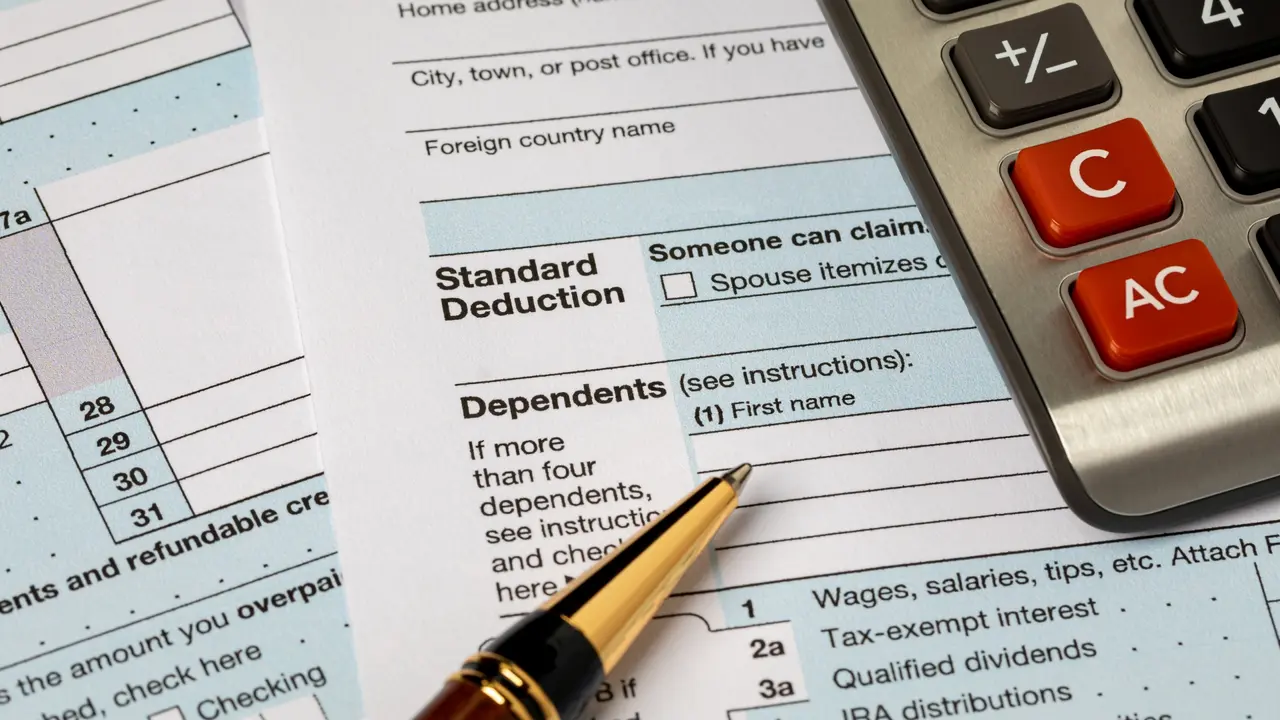
Quick Reference – Common Freelance Tax Deductions
| Category | What you can deduct | Notes |
|---|---|---|
| Home Office | Rent, utilities, internet, phone (proportional to workspace) | Only the portion used exclusively for work. Keep measurements. |
| Equipment & Hardware | Laptop, monitor, keyboard, mouse, external hard drives, printer | Expensive items may need to be depreciated (check local rules). |
| Software & Subscriptions | Adobe Creative Cloud, Microsoft 365, project management tools, hosting, domain names | Only business‑related subscriptions. |
| Professional Services | Accountant, lawyer, coach, consultant fees | Keep invoices and contracts. |
| Travel | Flights, hotels, meals (if client‑related), public transport | Keep receipts and note the business purpose. |
| Training & Education | Online courses, books, conferences, workshops | Must be directly related to your current business. |
| Marketing & Advertising | Website hosting, ads, design services, business cards, social media tools | Include costs for promoting your business. |
| Office Supplies | Paper, ink, stationery, printer cartridges, postage | Small items can be expensed fully in the year of purchase. |
| Insurance | Professional liability, health insurance (in some countries), equipment insurance | Health insurance may be deductible for self‑employed individuals. |
| Bank & Payment Fees | Transaction fees, PayPal/Stripe fees, currency conversion fees | Include monthly fees for business accounts. |
| Vehicle Expenses | Mileage or actual costs (fuel, maintenance, insurance) | Choose either standard mileage rate or actual expenses – not both. |
| Professional Development | Membership fees for professional associations, subscriptions to industry publications | Must be relevant to your field. |
| Meals & Entertainment | Meals with clients (50% deductible in many jurisdictions) | Keep receipts and note the business topic discussed. |
Download the Printable PDF Cheat Sheet
I've compiled all these deductions into a clean, one‑page PDF that you can print and keep on your desk. It includes checkboxes so you can track which deductions apply to you.
👉 Download the PDF cheat sheet →
Note: If the PDF doesn't open, right‑click and select "Save link as..." to download it.
How to Use This Cheat Sheet
- Review the categories – check which deductions apply to your business.
- Keep receipts – for every deductible expense, store digital or paper copies.
- Log expenses regularly – update your spreadsheet or accounting tool weekly.
- Consult a tax professional – this cheat sheet is a starting point, not professional advice.
Common Mistakes to Avoid
- Mixing business and personal expenses – use a separate business bank account and credit card.
- Missing small deductions – they add up over time.
- Not keeping proper records – without receipts, you can't claim the deduction.
- Claiming personal expenses – only expenses that are "ordinary and necessary" for your business are deductible.
- Ignoring home office rules – the space must be used exclusively and regularly for business.
Tools to Help You Track Deductions
- Google Sheets – use the template from our earlier article.
- Wave – free accounting software with receipt capture.
- QuickBooks Self-Employed – automatic expense categorisation.
- Expensify – receipt scanning and expense reporting.
Conclusion – Save Money, Stay Organised
Tax deductions are one of the few ways to legally reduce your tax bill. Keep this cheat sheet handy, track your expenses regularly, and consult a professional if you're unsure. The effort pays off.
Download the PDF: Download now →
Disclaimer: This is a general guide. Tax laws vary by country. Always consult a qualified tax professional for personalised advice.